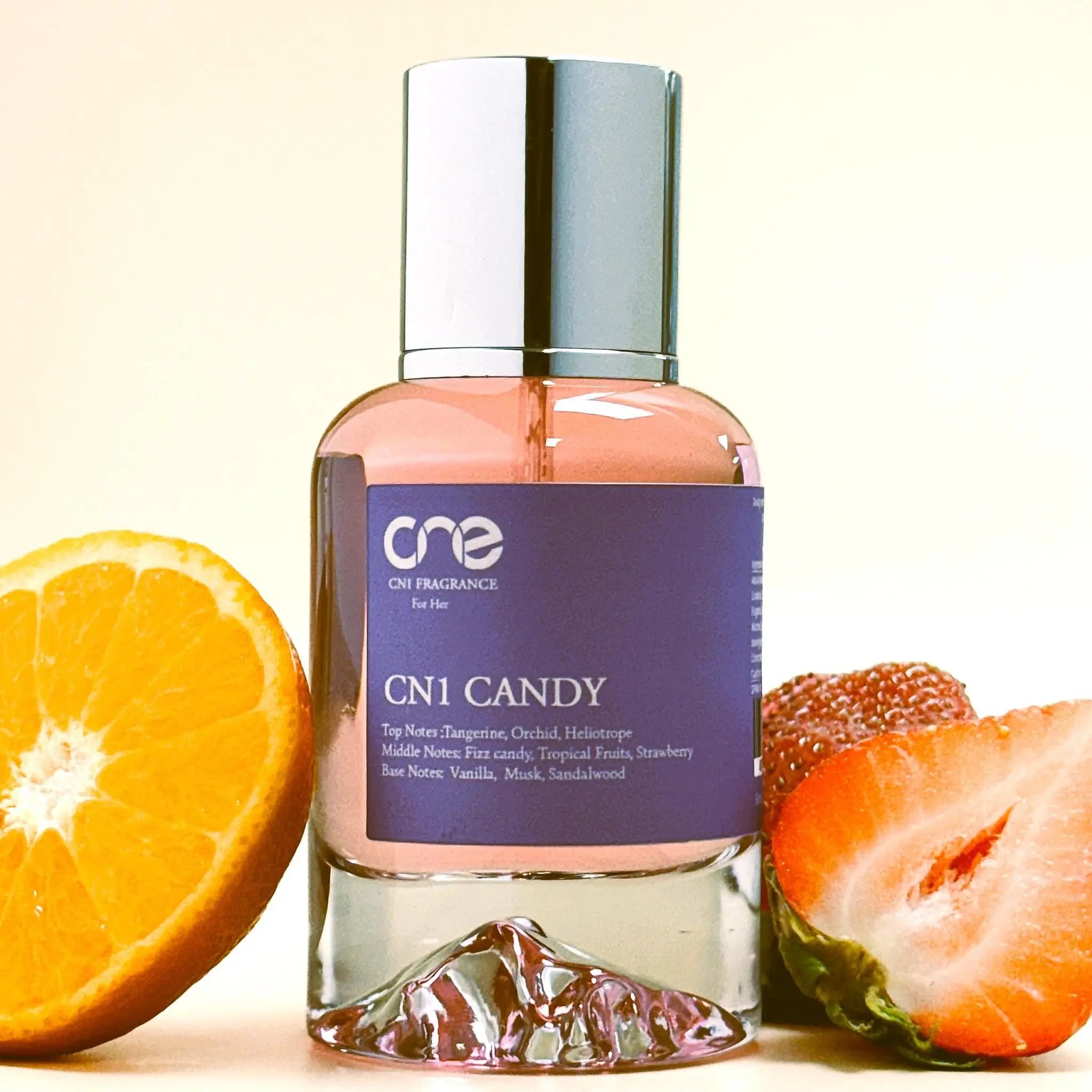
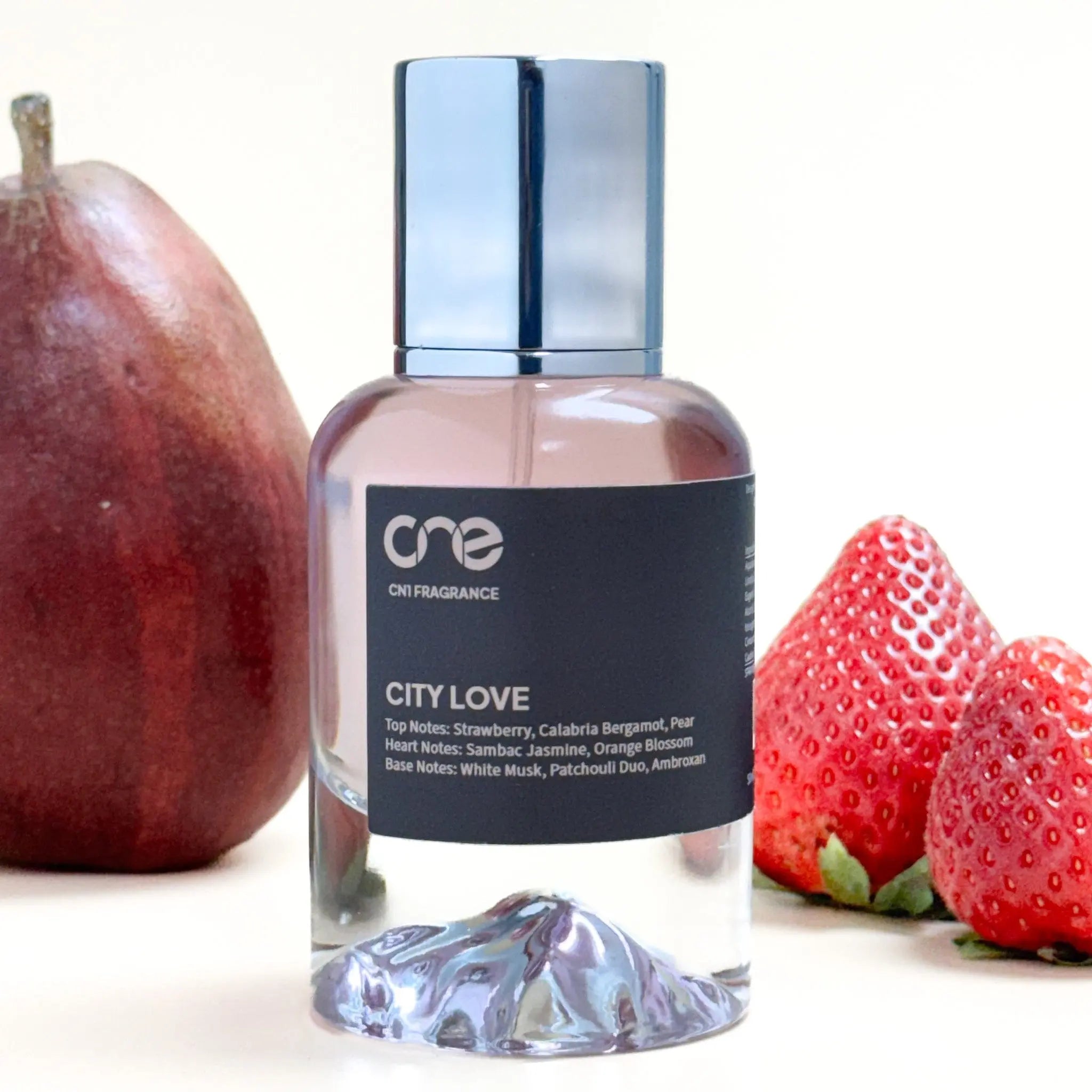
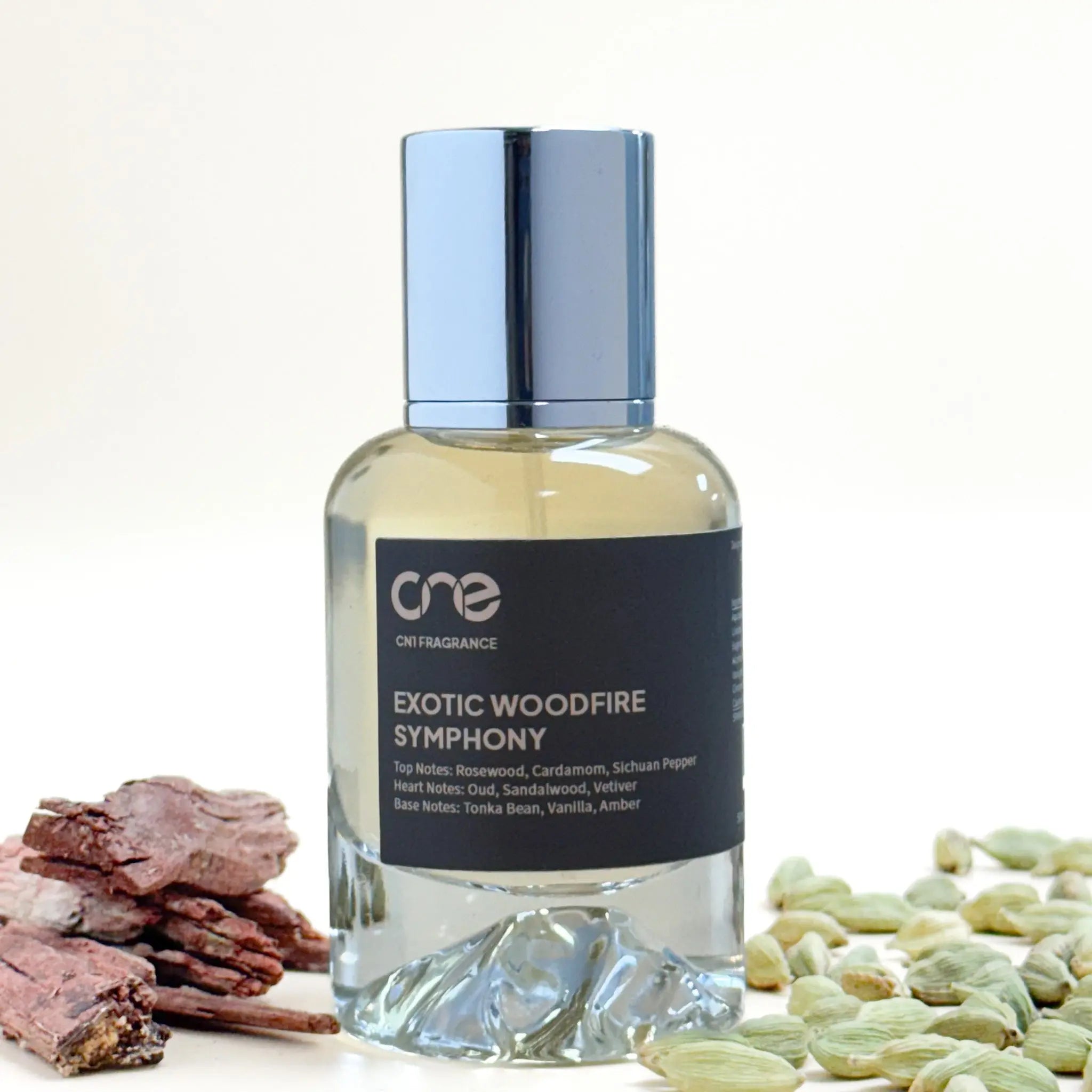
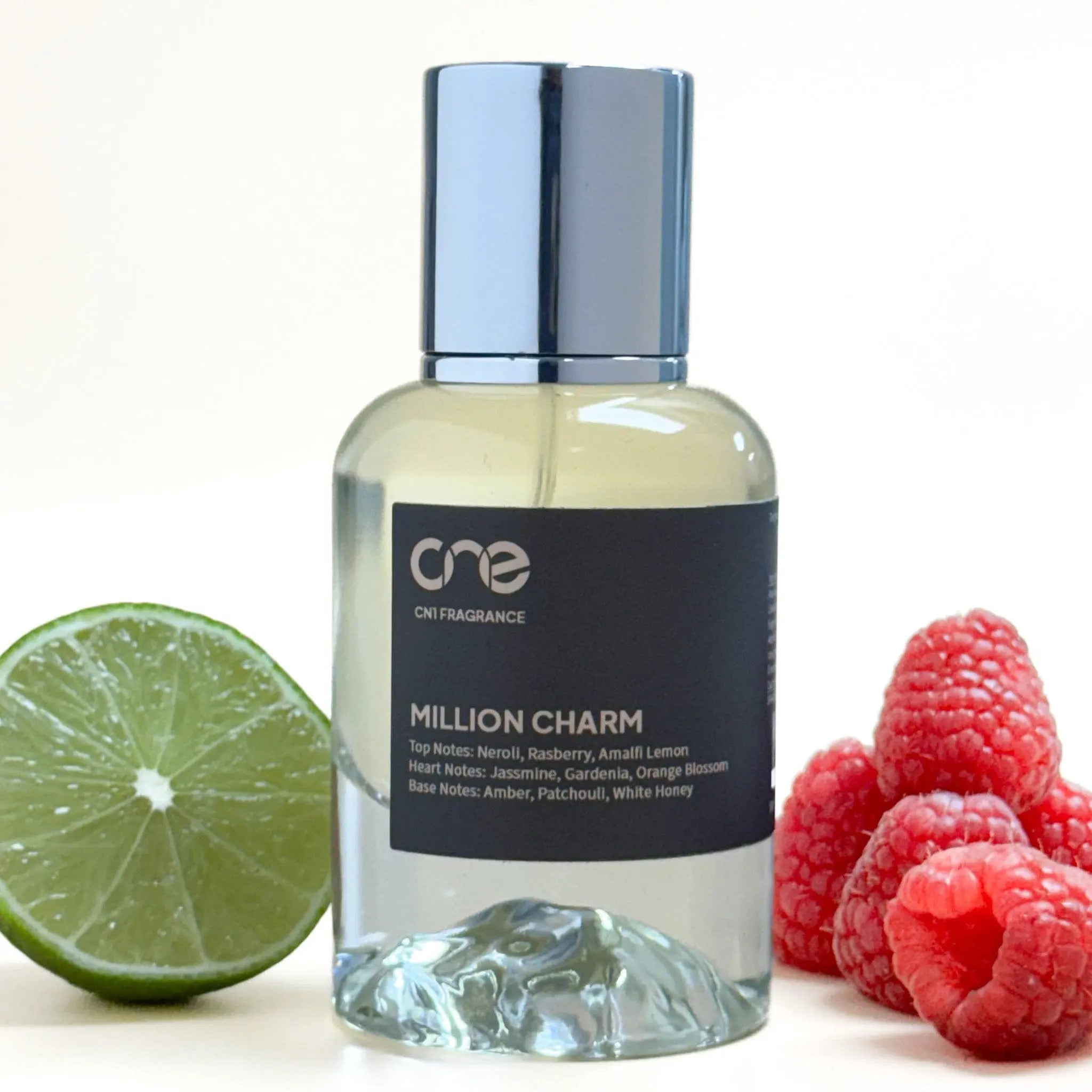
The global fragrance dupe market is a financial phenomenon, valued at an estimated $2.71 billion in 2024 and projected to reach over $11 billion by 2034, growing at a CAGR of 15.80%. Once a hushed secret, "dupe culture" is now a mainstream movement, fueled by social media and a fundamental shift in consumer values.
At CN1 Fragrance, we're immersed in this shift every day. The question isn't just about price; it's about transparency, accessibility, and a changing definition of luxury.
Why is this market exploding, and what does it mean for the future of scent?
The Economics of Exclusivity vs. Accessibility
The primary driver behind the dupe boom is the staggering price difference between designer fragrances and their high-quality alternatives.
- Luxury Markups: A significant portion of a luxury perfume's price (often as much as 90%+) is allocated to marketing, celebrity endorsements, exquisite packaging, and brand prestige. The actual liquid fragrance might only account for 1% of the retail price.
- Dupe Pricing Power: Dupes strip away these extraneous costs, offering a similar scent profile for an average price range of $8 to $49, compared to the original's $150 to $335+. This offers consumers 70-85% cost savings.
This is a powerful proposition for consumers facing general inflation and seeking "accessible luxury" without financial strain.
The #PerfumeTok Phenomenon and Gen Z's Influence
Social media, particularly TikTok, has normalized and accelerated the acceptance of fragrance dupes. The hashtag #PerfumeDupes has amassed millions of views, with influencers openly comparing affordable alternatives to high-end originals.
Key Statistics on Consumer Behavior:
- Gen Z & Millennials Lead the Charge: An overwhelming 93% of Gen Z and Millennials have purchased dupes, with a significant majority (83% of Gen Z women) open to buying them based on influencer recommendations alone.
- Shifting Perceptions: This generation views fragrance less as a single, lifelong luxury commitment and more as a tool for identity play and exploration. Affordability and variety often outweigh exclusivity.
- "Blind Buying" Online: The rise of e-commerce and online reviews has made "blind buying" (purchasing a scent without smelling it first) the norm. Consumers are more willing to "gamble" on a $20 dupe than a $200 original.
Quality Without Compromise: The Science of Scent
A common misconception is that "affordable" means "low quality". This is no longer the case. Modern fragrance technology has advanced significantly.
Many reputable dupe brands, like CN1, invest heavily in research and use gas chromatography-mass spectrometry to analyze and recreate the specific molecular structures of popular scents. This results in high-quality, long-lasting alternatives that rival their designer counterparts. Furthermore, many contemporary dupe brands prioritize:
- High oil concentrations for longevity.
- Cruelty-free and ethical practices.
- Sustainable packaging.
These ethical considerations appeal to a growing market of conscious consumers.
The Future: Evolution, Not Extinction
The rise of the dupe market isn't necessarily a death knell for luxury brands. Some industry experts view dupes as a "gateway" to luxury, allowing consumers to discover a scent profile they love before aspiring to purchase the original.
In response, luxury brands are focusing on what dupes cannot easily replicate:
- Craftsmanship & Rare Ingredients: Highlighting centuries of expertise and proprietary molecules.
- Unique Experiences: Offering personalized consultations and limited-edition collaborations.
- Transparency: Providing detailed traceability of ingredients through platforms like Guerlain’s "Bee Respect".
The fragrance industry is evolving. The winners in this new landscape will be brands that effectively communicate their unique value proposition—whether that's unparalleled luxury or intelligent, affordable accessibility.
At CN1 Fragrance, we believe smelling like a million dollars shouldn't cost a fortune. This market shift proves that consumers agree.